

A few weeks ago, I got into a debate about taxes with a digital nomad on LinkedIn. He was hyping up Próspera, a "Special Economic Zone" in Honduras offering low-tax residency for remote workers. With its 5% personal income tax, he posed it as an alternative to "high-tax countries or rigid bureaucratic system."
"Tax efficiency" "Flexible legal structures" "Modern residency solutions"
Why do these phrases make me cringe? Is it that they parrot the language of the super-rich? The multinational tax evaders and money launderers?
I responded that I didn't think "Special Economic Zones" were the answer - that we shouldn't just "opt out" of state taxation by moving to privatized enclaves.
He responded that it was a matter of "personal choice" for "people who want to become financially independent faster": "Not sure if you are aware but in a lot of countries in Europe you pay 45% tax, and you get almost nothing for it."
But are taxes a "personal choice"? How do we balance personal sovereignty with popular sovereignty? And if not taxes, then what else?
Why Are Digital Nomads Obsessed with Taxes?
Browse the schedule for any digital nomad conference, and you'll likely find a talk on "tax planning" or "financial freedom". It can give the impression that digital nomads are obsessed with finding tax loopholes and living "tax-free."
Some of them are: at Denationalize.me, Christoph Heuermann greets visitors with the assertion that "Taxation is Theft":

He calls taxes "morally degenerate, since they propagate 'coercion' and 'violence' as a means of human coexistence.... Taxes are antisocial – not those who avoid them... True freedom is incompatible with the state fiction."
I would argue that not paying taxes is a form of theft: theft of funds from the public coffers, or theft of services that are paid for by the state. I just can't get on board with the libertarian notion that we don't have fiscal obligations to others.
At the same time, there is a left-wing cases against taxes. The Guardian writes about "a new generation of Americans refusing to pay some or all of their federal income taxes .... when about 13% of Americans’ federal income taxes are spent on the military, and 1% goes to federal law enforcement":
 Sophie Hurwitz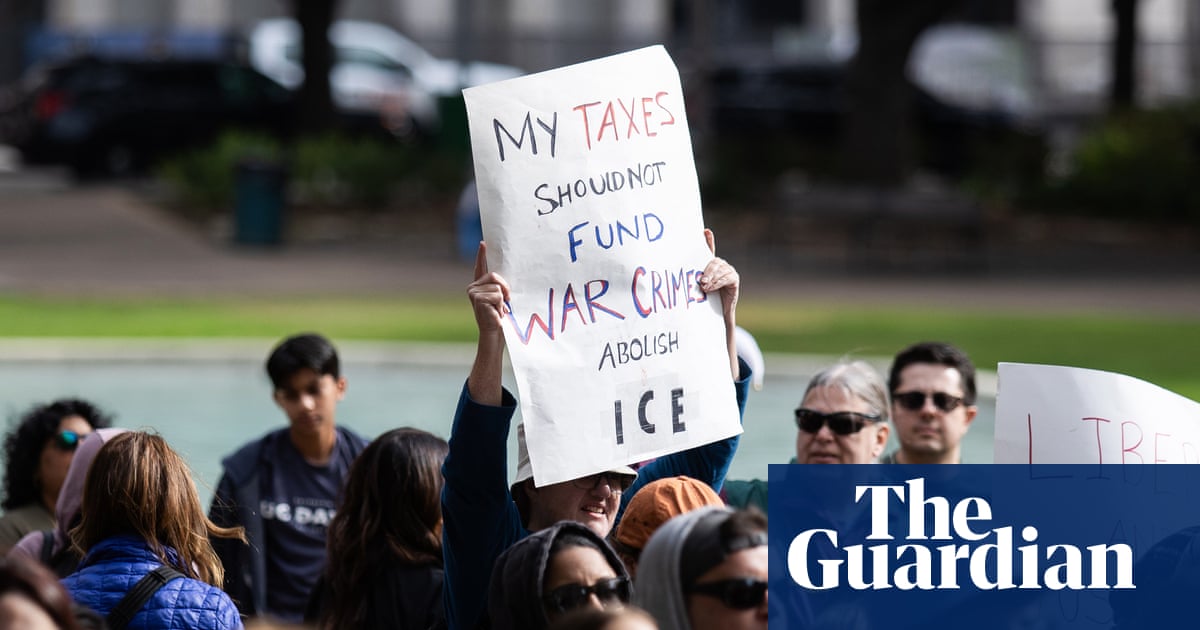
Is it hypocritical of me to disdain the libertarian case for "personal freedom" while sympathizing with liberal tax protesters who decry war? To support radical faeries building off-grid sanctuaries — but not techbros building "startup cities"?
The Reality Is Complex
The truth is, most digital nomads aren't obsessed with minimizing taxes, but they are responding to incentives that are already in place. Many countries that offer digital nomad visas attract remote workers with the promise of low or no taxes compared to their home countries.
Some freelancers value "e-residency," or the ability to run their business remotely with predictable personal or corporate income taxes they can file online.
In my own case, it was an easy decision to move to Australia, where I have access to universal healthcare, first-time home buyer programs, and other benefits — a better "deal" than I was getting in the U.S.
I can understand why, if you're based in a country where you don't get any of those things, you might want to vote with your feet and move. But I don't agree with the idea of "Special Economic Zones" as a solution.
Quinn Slobodian, the author of Crack-Up Capitalism, explains the problem:
"The emergence of these zones has happened hand in hand with, and given inspiration to, the development of radically libertarian pro-capitalist ideologies, which have dreamt of doing away with democratic rule altogether in favor of government by private contract."
 Quinn Slobodian
"They have a belief in a kind of pure market order within which everything is organized within private contexts, private actors, insurance companies, arbitration companies — all displace entirely the function of the ballot box or representative government."
Even as they question the authority of the state, the same liberatarians put their faith in private corporations. Yes, Próspera is funded by venture capitalists, with a legal system run by private judges based in Arizona. As of 2024, only land-owning residents had the right to vote, with one vote per square meter of land.
In an interview with The Missive, Lauren Razavi, author of Global Natives and Executive Director of Plumia, puts this philosophy into words:
 Marko Ayling
"At Plumia we are building the global layer by thinking about how we can use the technology available to us today to achieve a seamless citizenship experience that feels like Airbnb, Uber, and other services we are so used to as consumers. It’s about having a system you can interact with - very efficient, but also just more relevant to how we're all living our lives.
"Citizenship needs to change from being something thrust upon you at birth into citizenship as a service."
To me, a sounds incredibly dystopian: while modern, bureaucratic nation-states have their problems, I don't think the Uberfication of citizenship is the solution. Why are so many digital nomads taken in by this techno-utopian fantasy?
What's the Solution?
One of the reasons I find the libertarian solution so off-putting is because it doesn't grapple with class. It's not as if these jurisdictions have progressive tax brackets — in fact, Próspera has a $5,000 lump-sum option for non-local income, meaning high-earning nomads could pay even less than 5% tax.
In a thesis called "How should we tax digital nomads?" Rowan-John Martina lays out the dilemma:
"People in similar financial situations should face similar tax burdens. However, two remote workers with similar incomes may experience different tax outcomes due to the various tax incentives and tax holidays granted by different tax jurisdictions, and their strategies for managing tax liabilities."
Here are some possible solutions:
A global tax minimum
One option is a global tax minimum. The OECD already has a framework for a 15% minimum corporate tax; a similar solution could apply to individuals. This would crack down on tax havens, while still allowing for some tax benefits that attract digital nomads.
Source-based taxation
Another option is source-based taxation, in which income is taxed based on where it provides economic value, not on the worker's residence or physical location. For example, a remote employee would be taxed based on their company's location, not on the number of days they spent in a specific country.
Multilateral redistribution
A third solution is a "multilateral redistribution instrument": a system in which a digital nomad's country of residence transfers a portion of their income taxes to the countries they worked in, based on the number of days they worked there.
(This has the added benefit of simplifying tax compliance for remote workers who would otherwise have to file returns in multiple countries.)
With any reform, there would still be unanswered questions: Which social security system does a digital nomad pay into? Are they entitled to healthcare or retirement benefits in their home country or abroad? When and where can they vote?
Still, eliminating tax loopholes that favor wealthy nomads would be a start.
What do you think? Should digital nomads be taxed based on residence, income source, or citizenship? What other solutions would you propose?
Discussion